
st georges: +2547 26 850 230 | BAHATI NORTH: 0118 222 624 | LAWRENZO PREMIER: 0726 850 422

How Children Develop Social Skills During Early Childhood Education
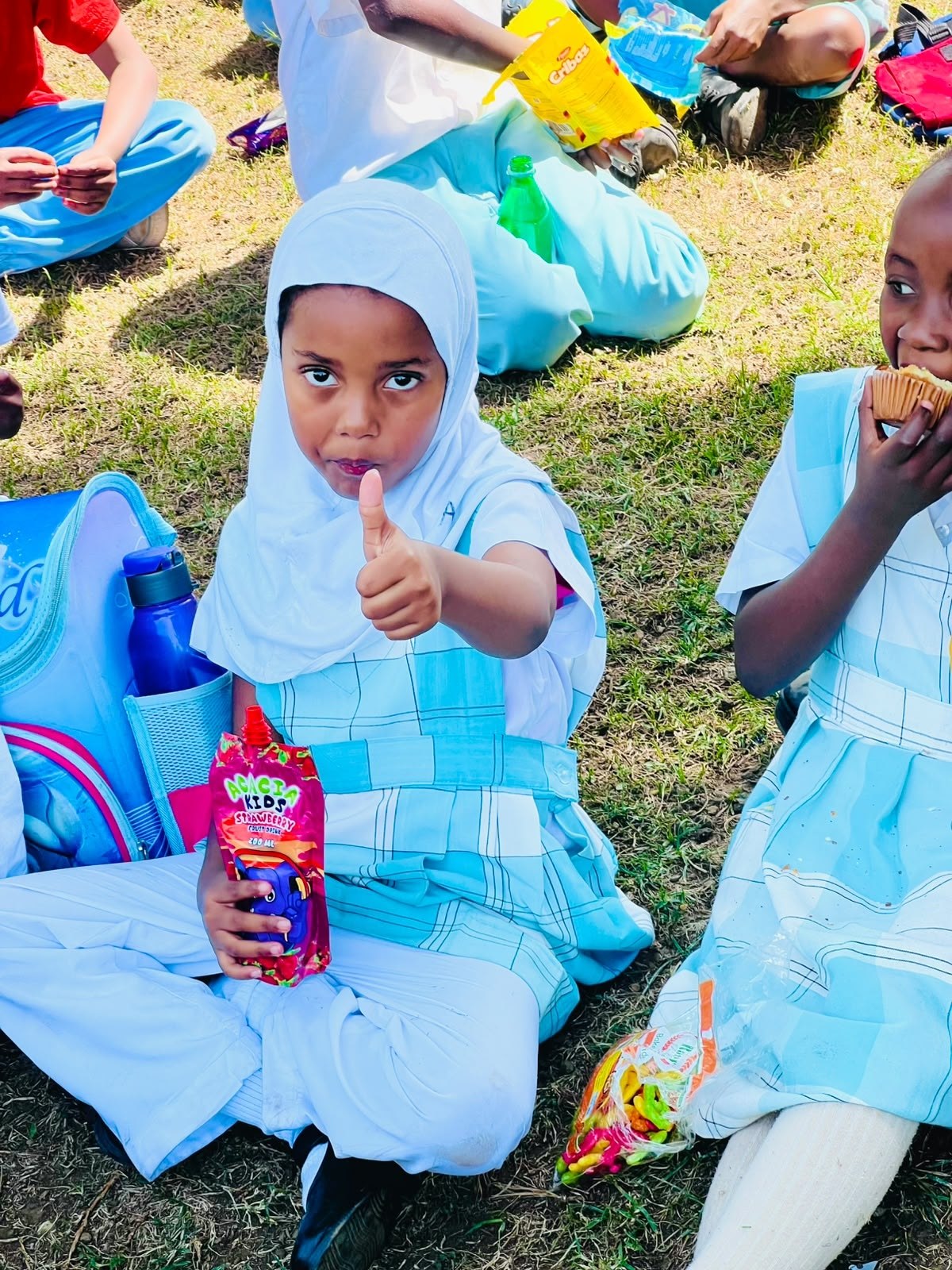
Social Skills in Early Childhood Education play an important role in helping young children build relationships, communicate effectively and interact positively with others. During the early years, children begin learning how to express their feelings, share experiences, listen to others and participate in group activities. These everyday interactions help shape how they relate to people as they grow.
At Lawrenzo Premier Academy, early childhood education provides young learners with opportunities to interact, explore and develop essential skills. Through its Playgroup, PP1 and PP2 programmes, children experience different activities that encourage communication, cooperation and confidence as they prepare for the next stages of their education.
1. Learning to Communicate with Others
Communication is one of the first social skills children begin developing during early childhood. As they interact with teachers and fellow learners, they gradually learn how to express their needs, share ideas, ask questions and respond to others.
Simple classroom conversations, storytelling, songs and group discussions create opportunities for children to practise speaking and listening. They also begin understanding that communication involves taking turns, paying attention and respecting what other people have to say.
These experiences help children become more comfortable expressing themselves in different situations. With guidance and encouragement, they gradually develop the confidence to participate in conversations and interact with others.
2. Understanding Sharing and Cooperation
Learning to share and work with others is another important part of social development. Young children often begin by participating in simple group activities where they have to take turns, share learning materials and work towards a common goal.
For example, children may participate in drawing activities, building games, music sessions or other classroom experiences that encourage teamwork. These activities help them understand that other people also have needs, ideas and interests.
At Lawrenzo Premier Academy, opportunities for guided play and creative activities can support these early lessons. As children participate, they begin appreciating cooperation and learning how to engage positively with their classmates.
3. Developing Empathy and Understanding Feelings
Children also need opportunities to recognise and understand emotions, both their own and those of others. Empathy helps them appreciate how another person may be feeling and encourages thoughtful interactions.
During early childhood education, teachers can support this development through stories, conversations and everyday classroom situations. Children can learn to recognise when someone is happy, disappointed or upset and understand appropriate ways to respond.
For instance, when a classmate feels left out of an activity, children can be encouraged to include them. Such experiences introduce the importance of kindness, consideration and respect.
These lessons help young learners understand that positive relationships involve paying attention to other people’s feelings.
4. Building Confidence Through Group Participation
Social confidence develops when children feel comfortable participating in activities and interacting with people around them. Early childhood education provides a supportive environment where learners can gradually become more confident expressing their ideas and trying new experiences.
Activities such as singing together, storytelling, role-playing and participating in group games give children opportunities to contribute. Even simple tasks, such as answering a question or introducing themselves, can help them become more comfortable interacting with others.
At Lawrenzo Premier Academy, the early learning journey through Playgroup, PP1 and PP2 offers children opportunities to engage in guided activities and social interactions appropriate to their stage of development.
With encouragement, children gradually learn to participate without feeling pressured to get everything right.
5. Learning to Resolve Small Conflicts
Disagreements are a natural part of learning how to interact with others. Children may sometimes disagree over toys, activities or whose turn it is to participate. These situations can become valuable opportunities to introduce problem-solving and respectful communication.
With guidance from teachers, children can learn to explain what happened, listen to another person’s perspective and consider fair solutions.
For example, when two learners want to use the same learning material, a teacher can guide them towards taking turns or finding a way to share. This helps children understand that disagreements can be addressed through communication rather than frustration.
Over time, these experiences contribute to better cooperation and more positive relationships.
6. Respecting Differences and Building Friendships
Early childhood education brings children together with different personalities, interests and ways of expressing themselves. Interacting with others helps young learners appreciate that people may not always think, speak or behave in exactly the same way.
Through classroom routines, group activities and shared experiences, children learn to respect one another, include their classmates and appreciate different ideas.
These interactions also create opportunities for friendships to develop. Children begin identifying shared interests, enjoying activities together and becoming more comfortable in group settings.
Learning to respect differences at an early age helps establish a foundation for positive relationships as children progress through school and interact with wider communities.


How Parents Can Support Social Development at Home
Parents play an important role in reinforcing the social skills children develop at school. Everyday interactions at home can provide valuable opportunities to practise communication, cooperation and consideration.
Some practical ways parents can help include:
- Encouraging conversations: Give children opportunities to talk about their day, share experiences and express their thoughts.
- Practising sharing: Introduce simple activities that involve taking turns and cooperating with siblings or other children.
- Reading stories together: Discuss characters’ feelings and encourage children to think about how their actions affect others.
- Teaching respectful behaviour: Model kindness, listening, patience and polite communication.
- Encouraging friendships: Provide opportunities for children to interact and participate in age-appropriate group activities.
When parents and teachers reinforce similar values, children receive consistent guidance as they develop their social abilities.
Supporting Social Development at Lawrenzo Premier Academy
Social Skills in Early Childhood Education are essential because they help children become confident communicators, considerate classmates and active participants in their learning environments. Skills such as sharing, listening, cooperation, empathy and respect do not develop overnight. They grow through consistent guidance, meaningful interactions and everyday experiences.
At Lawrenzo Premier Academy, early childhood learning provides a foundation for children’s academic, social skills and personal development. Through the Playgroup, PP1 and PP2 programmes, young learners have opportunities to interact, explore and build important relationships as they prepare for primary education.
Choosing an environment that supports both learning and social development gives children a valuable foundation for their educational journey.
Discover early childhood learning at Lawrenzo Premier Academy and give your child opportunities to learn, interact and grow their social skills.
Lawrenzo Premier Academy — Hardwork for excellence – every learner is empowered to thrive.
tag:
Share:

admin_2d9fv