

st georges: +2547 26 850 230 | BAHATI NORTH: 0118 222 624 | LAWRENZO PREMIER: 0726 850 422

The Role of Discipline in Building Successful Learners
Discipline in education plays an important role in helping children develop the habits, attitudes and sense of responsibility they need to succeed both in school and beyond the classroom. At St.Georges Grassland Academy, while academic knowledge is an important part of education, learners also need to understand the value of consistency, commitment, respect and self-control.
Successful learning does not happen overnight. It develops through daily habits, effort and the willingness to keep going even when a task becomes difficult. This is why discipline is an important part of helping learners reach their potential.
What Does Discipline Mean in Education?
Discipline in school is not simply about following rules or avoiding punishment. It is about helping learners understand expectations and develop the ability to make responsible choices.
A disciplined learner learns to manage their time, complete tasks, listen to instructions, respect others and take responsibility for their actions. These behaviours create a positive environment where learning can take place effectively.
When discipline is approached positively, learners begin to understand that rules are not simply restrictions. They provide structure and help everyone in the school community learn, work and interact respectfully.
Discipline Helps Learners Build Good Habits
Good habits are often the foundation of successful learning.
A learner who develops a routine of arriving at school prepared, completing assignments on time, revising consistently and keeping their learning materials organised is developing habits that can benefit them for years.
These habits may appear simple, but they teach learners an important lesson: progress comes from consistency.
Instead of waiting until the last minute to complete a task, a disciplined learner learns to plan ahead. Instead of giving up when something is difficult, they learn to continue trying.
Over time, these small choices can make a meaningful difference in a learner’s educational journey.
Developing Responsibility
Discipline also teaches children to take ownership of their responsibilities.
At school, learners have responsibilities such as completing their work, caring for school property, following classroom expectations and treating teachers and fellow learners with respect.
When children are encouraged to take responsibility for these actions, they gradually become more independent.
They begin to understand that their choices have consequences and that they have an important role to play in their own learning.
This sense of responsibility becomes valuable beyond school. Whether a person eventually enters higher education, employment, entrepreneurship or another field, being able to manage responsibilities is an important life skill.
Discipline Supports Better Concentration
Learning requires attention.
With so many distractions competing for a child’s attention, developing the ability to focus on a task is increasingly important. Discipline can help learners practise staying focused, listening carefully and completing what they have started.
This does not mean that children should be expected to concentrate perfectly all the time. Rather, they can gradually learn strategies that help them return their attention to the task at hand.
A structured classroom environment can support this process by giving learners clear expectations and routines.
Learning to Persevere When Things Become Difficult
Not every subject or assignment will be easy for every learner.
There may be moments when a child struggles to understand a concept, receives a disappointing result or feels frustrated by a difficult task. Discipline can help learners develop perseverance during these moments.
Instead of seeing difficulty as a reason to stop, learners can be encouraged to approach challenges with patience and determination.
This is where discipline and resilience work together. Discipline encourages learners to keep putting in the effort, while resilience helps them recover when things do not go as expected.
The result is a learner who understands that making progress sometimes requires patience and repeated effort.
The Connection Between Discipline and Respect
Respect is another important part of discipline.
A positive school environment depends on learners understanding how their behaviour affects the people around them. Listening when someone else is speaking, treating classmates kindly, following school expectations and taking care of shared spaces are all examples of responsible behaviour.
When learners practise respect consistently, they contribute to a classroom environment where others also have the opportunity to learn.
Discipline, therefore, is not only about individual achievement. It can also help build stronger relationships and a more supportive school community.
The Role of Teachers in Developing Discipline
Teachers play an important role in helping learners understand discipline.
Clear expectations, consistent routines and positive guidance can help children understand what is expected of them. Teachers can also model the behaviours they want learners to develop, including punctuality, patience, respect and responsibility.
Importantly, discipline should be accompanied by encouragement.
When learners understand why a particular behaviour matters, they are more likely to develop internal motivation rather than simply following instructions because they are afraid of consequences.
Teachers can also recognise improvement and effort, helping learners see that discipline is something they can develop over time.
Parents Also Have an Important Role
The development of discipline does not stop at the school gate.
Parents and guardians can support their children by establishing reasonable routines at home, encouraging responsibility and setting clear expectations around schoolwork and behaviour.
Simple practices such as preparing school items the night before, creating time for homework and encouraging children to complete age-appropriate responsibilities can reinforce the habits being developed at school.
Most importantly, children benefit when the adults around them work together and provide consistent guidance.
Discipline Is About Preparing for Life
The value of discipline extends far beyond academic performance.
A disciplined learner is developing qualities that can support them throughout life: responsibility, time management, perseverance, self-control, respect and commitment.
These qualities can help young people navigate challenges, work effectively with others and remain committed to their goals.
Education is therefore not only about what a learner knows. It is also about the habits and character they develop along the way.
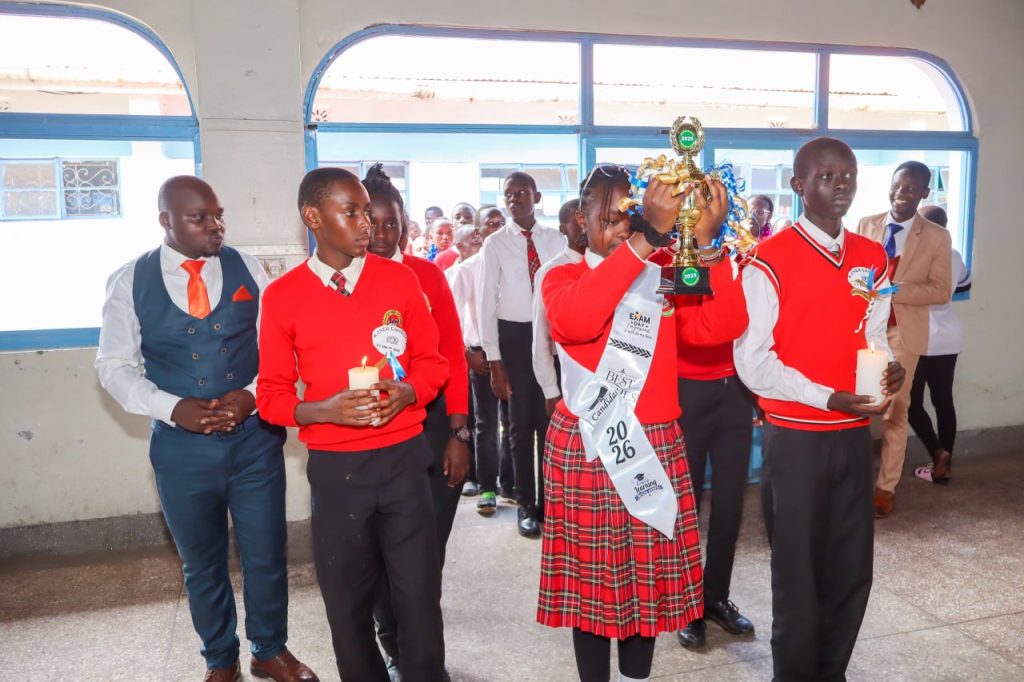

Building Successful Learners One Habit at a Time
Successful learners are not created through academic knowledge alone. They develop through a combination of learning, guidance, practice and positive habits.
At St Georges Grassland Academy, creating an environment where learners are encouraged to be responsible, respectful, committed and consistent can help them build a strong foundation for their educational journey.
Every completed assignment, respectful interaction, prepared school day and difficult task approached with determination can become part of a much bigger lesson: success is often built through the choices we make every day.
By helping children understand the value of discipline, schools and families can give learners more than good study habits. They can help them develop the character, responsibility and perseverance needed to approach future challenges with confidence.
St Georges Grassland Academy — nurturing disciplined, confident and responsible learners for a brighter future.
tag:
Share:

admin_2d9fv